Debris of Houthi missiles falls in Makkah region as Saudi intercepts more over Taif, Jeddah and Rabigh

Saudi Arabia has intercepted missiles fired by Yemen's Houthi rebels. Debris from two of the intercepted missiles crashed down in the Wadi al-Mughammas area. The Houthis fired a fresh round of missiles at various locations in Saudi Arabia on Saturday (24 October), the kingdom's Civil Defense said.
The interceptions were not limited to one area. On the same day, missiles were brought down at several locations, including Wadi Jalil in Taif, the al-Nuzha district of Jeddah and the Mastura centre in Rabigh — meaning the attack stretched from the Makkah region to the Red Sea coast.
According to the Civil Defense, preparations were under way at the time to intercept missiles heading towards the Makkah and Madinah regions. With air defences active, the missiles were destroyed before reaching their targets, though debris fell to the ground.
The debris falling in Wadi al-Mughammas is particularly significant because the area lies within the Makkah region. Missile debris landing close to the holiest city in Islam has added a new dimension to regional tensions.
Saudi Arabia has previously claimed that the Houthis fired missiles targeting Makkah and Madinah. The Houthis had dismissed those earlier claims as 'despicable lies'.
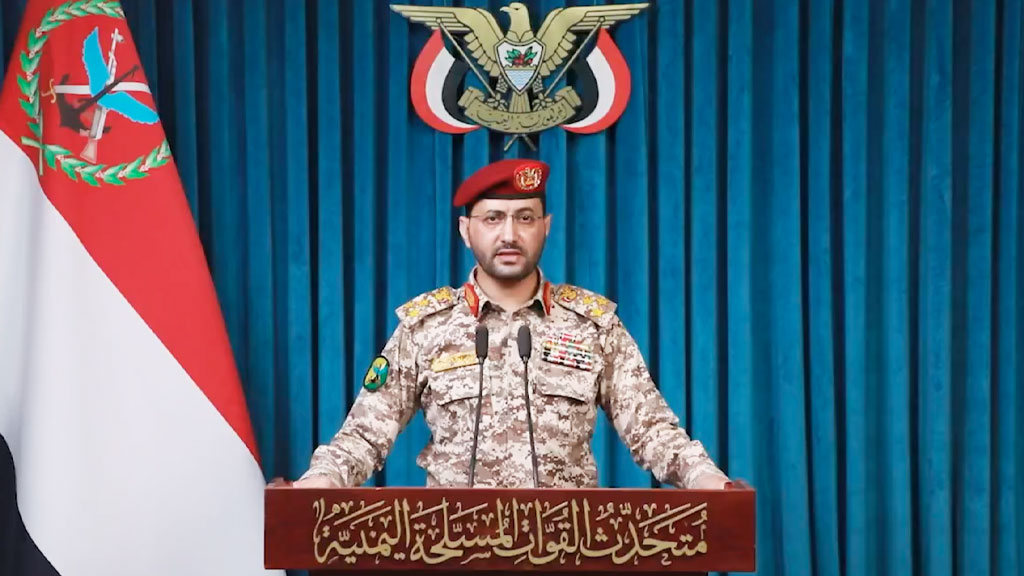
The group's stated position has been that it will attack everywhere in Saudi Arabia except the Makkah and Madinah regions. In other words, it has consistently denied targeting the two holy cities. No fresh Houthi reaction to this latest incident was yet known.
Whatever the claims, missiles being intercepted in the skies over the Makkah region is a major test for Saudi air defence. Interceptions near important cities and facilities such as Taif, Jeddah and Rabigh have added to that pressure.
The Houthi conflict with Saudi Arabia over the Yemen war is long-running. In recent weeks the Houthis have claimed attacks on Saudi airports and oil facilities, while Riyadh says its defences are intercepting them. The latest missile fire is part of that continuing pattern.
These attacks and counter-claims are affecting the security situation across the region. Missile strikes inside Saudi Arabia, on top of the unrest in the Red Sea and around Hormuz, are also increasing volatility in energy markets.
Civil safety has also come into focus. Debris falling in populated areas carries a risk of serious damage. The safety of ordinary people now depends on the Civil Defense's warnings and preparedness.
Attention now turns to the Houthis' next move and Saudi Arabia's response. If the attacks continue, tensions across the region will rise further, and questions over the security of the holy cities will return to international discussion.