Democrats Seize Majority of Governors' Offices Too: 28 to 20, Reversing the Pre-Election Picture
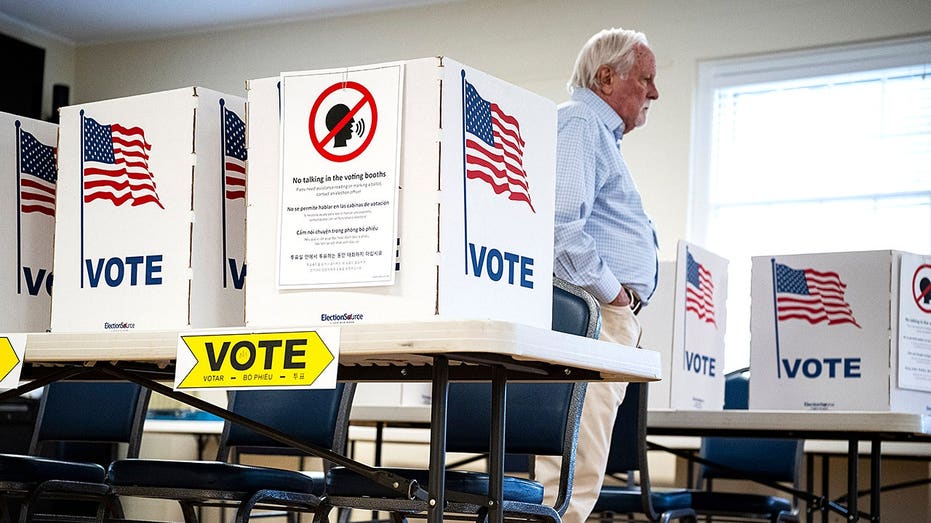
Democrats will hold a majority of the nation's governorships after a series of victories on election night in the United States, shifting control of one of the most influential levels of government to the political party opposite the White House.
As of Wednesday morning, Democrats controlled 28 governorships to Republicans' 20. Two races, in Kansas and Alaska, had yet to be called.
The results mark a significant reversal from the landscape heading into the election, when Republicans held 26 governors' offices compared with 24 for Democrats. Democrats needed a net gain of at least two seats to take the majority.
While congressional control typically generates the most attention, governors play a central role in setting state policy, approving or vetoing legislation, managing state agencies and directing responses to major issues including public safety, education, healthcare, immigration and abortion.
Governors also oversee state elections and frequently serve as the most prominent political figures in their states.
The Democratic gains will give the party greater influence in state capitals across the country, even as Republicans continue to control many state legislatures. The impact of the shift will vary by state, particularly where the governor's party does not control both chambers of the legislature.
The gubernatorial results could also play a role in the 2028 election cycle, as Democrats will have a broader bench of governors to potentially choose from ahead of the presidential contest. Governors often become national party leaders, presidential contenders and prominent surrogates during congressional and White House campaigns. Democratic Governors J.B. Pritzker, Wes Moore and Josh Shapiro are all seeking reelection while quietly auditioning for 2028, according to the report.
The new balance could also intensify battles between Democratic governors and the Republican-led federal government on issues including immigration enforcement, environmental regulations, education policy and federal funding, and it opens up more potential for lawsuits against the federal government.
Republicans, meanwhile, will be forced to defend a smaller share of the nation's governorships in the next election cycle while working to prevent further losses in states where Democrats made gains.
But the shift does not automatically translate into unified Democratic control of state governments. In many states, legislative majorities, attorneys general and other elected officials will continue to shape how much power governors can exercise. Even so, the outcome represents a clear expansion of Democratic influence in state government and a broader platform to advance the party's agenda nationwide.