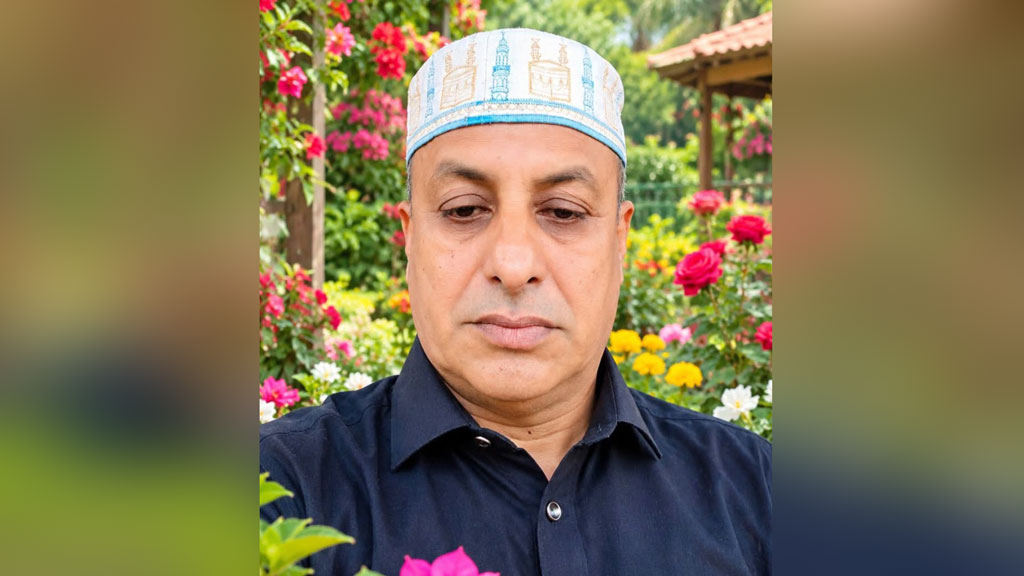
Blocked from Burial at His Own Homestead While in Opposition — What Will They Do in Power, Asks Tasnim Zara

Former National Citizen Party (NCP) leader Dr Tasnim Zara has said that while Jamaat-e-Islami speaks of justice, human rights, due legal process and human dignity in the case of its own leaders, it is unwilling to accept the same for others. Despite speaking of fairness before elections and in speeches, the party is behaving this way toward a dead man and his grieving family, she said. They are blocking a burial at a man’s own homestead while still in opposition — what will they do if all state power goes into their hands, she asked.
She wrote these remarks in a post on her verified Facebook account on Monday morning (October 26). In the post, Tasnim Zara wrote that in Bangladeshi society, when someone dies, no one has to be called to dig the grave. On hearing the news, neighbourhood boys come with spades in hand. Some cut bamboo, some bring mats. They grew up with the teaching that a dead person’s burial must not be delayed, she wrote.
She wrote that 87-year-old Manik Pashari died at around 10am on Saturday. After that, his family had to wait anxiously with the body all day. Local Jamaat leaders and activists marched and announced by microphone and on Facebook that he would not be allowed to be buried in Pirojpur.
Tasnim Zara said a grave was first dug at Manik Pashari’s home. His daughter Simu Akter told local journalists that some people came and filled in that grave. She then dug a new grave together with her aunts. Fearing the situation would worsen, no one else could be found to dig the grave. As a result, the spades that should have been in the hands of neighbourhood boys were that day in the hands of the dead man’s daughter and sisters.
She further wrote that finally, after midnight, Manik Pashari was buried under police guard in the grave dug by his daughter and sisters. Apart from administration officials, no one outside the family was present there.
According to Tasnim Zara, Manik Pashari was a government-gazetted valiant freedom fighter. But that day, the assistant secretary of Pirojpur district Jamaat claimed he was a fake freedom fighter. He said no guard of honour would be allowed for him and he would not be allowed to be buried in the soil of Pirojpur either. After the burial, the same leader said Jamaat leaders do not do politics over corpses.
On this point, Tasnim Zara wrote that the question of whether Manik Pashari was a freedom fighter can be raised. There are state institutions and courts for verification. But Jamaat leaders and activists tried to settle that question by obstructing the burial and making announcements with microphones in hand.
Raising the social and religious customs toward the dead, she wrote that in Bangladesh, before the janaza, the dead person’s son or brother stands before everyone and says, “If my father hurt anyone’s feelings, please forgive him.” People forgive too, because after death all of a person’s accounts are settled. What remains is judged by Allah.
Tasnim Zara alleged that the opposite picture was seen in Pirojpur on Saturday. Manik Pashari’s janaza was not held in his own village. His family did not even get the chance to stand before the village people and ask for forgiveness. She further wrote that Jamaat leaders and activists said Manik Pashari would not be allowed to be buried in Pirojpur in such a way as if the deed of this land is written in their name — as if whether a man can be laid to rest in his family graveyard at his own home also requires their permission.
She said there was a time when Jamaat-Shibir leaders and activists were also labelled “razakar” and told to leave Bangla. They should know well that such behaviour is unjust. Yet, as soon as some power came into their hands, while still in opposition, they have forgotten that, she commented.
The former NCP leader wrote that in 1971, Jamaat-e-Islami as a party opposed the independence of Bangladesh. The leaders and activists of that party now want to decide who is a freedom fighter and who is fake, who will receive state honours, and where whose grave will be.