Musk says SpaceX restricted Ukraine's Starlink connection as Kyiv says service is restored

Elon Musk has said his company SpaceX restricted Ukraine's Starlink internet service, after Ukrainian officials said connectivity issues appeared to have been resolved. The tech billionaire accused Ukraine of violating its terms of service by using the network for military activity.
But Musk denied being responsible for a simultaneous issue with its US-run, military-grade counterpart Starshield. Kyiv has not officially commented on Musk's latest claim, but Ukrainian presidential adviser Serhiy Beskrestnov said his post was 'very strange'.
Musk had earlier denied deliberately throttling Ukraine's connection, which Kyiv says hampered its ability to conduct defensive operations. The issue first emerged last week during a broader row between Washington and Kyiv over Ukrainian strikes on Russian oil infrastructure.
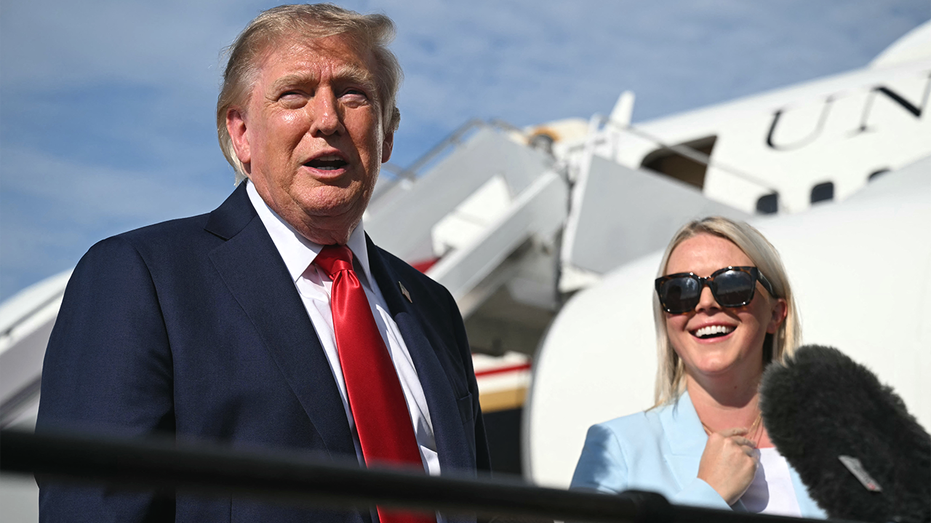
Musk's latest comments, and the seeming restoration of the service, came after US President Donald Trump said he had told the Tesla and X owner to 'put it back', having repeatedly denied instructing him to limit the service.
'Using Starlink, a civilian commercial service, for offensive drone strikes to kill people has never been allowed, nor should it be,' Musk wrote on X on Saturday. 'Ukraine's military violated Starlink terms of service and used it for offensive drone strikes to kill people. That loophole was closed last week.'
Musk went on to say SpaceX had done more to defend Ukraine than any private company on Earth, and reiterated that Starshield is a different system controlled by the US government, adding that what they decide to do is up to them. In a later post he added that Starlink can be used for infrastructure that is military, but cannot be used for unequivocally offensive strikes that make it fair game to be struck back.
Reacting to Musk's post, Beskrestnov wrote on Telegram that Ukraine physically cannot use commercial Starlink for long- and middle-range drone strikes. There was no immediate comment from the country's defence ministry.
Ukraine uses both the civilian Starlink service and the more secure Starshield, depending on what communications are needed, and both run on networks of low Earth orbit satellites launched by SpaceX. Starlink allows military units to co-ordinate, particularly in remote areas on the battlefield, while Starshield allows Ukrainian drone operators to see targets in real time and operate interceptor drones. Russia is not authorised to use Starlink.
Ukraine's Defence Minister Yevhenii Khmara said earlier on Saturday that the military was now recording a stable connection, with drones now able to reach speeds in excess of 400km/h. Kyiv previously said the connection would cut out above 161km/h. President Volodymyr Zelensky wrote on Telegram that the speeds are now where they need to be.
Musk did not disclose in his post why SpaceX had chosen to make the change last week, when Ukraine's extensive use of Starlink had been known for several years. The connection issues coincided with a tense diplomatic standoff between Zelensky and Trump over Ukrainian strikes on oil infrastructure within Russia.
Trump said the strikes on Russian oil refineries — which Kyiv says are crucial to stemming the main revenue source for Moscow's war effort — have pushed global fuel prices higher. While the attacks have had an impact, rises seen this year have primarily been due to the Iran war. Faced with midterm elections next month and domestic displeasure with rising fuel prices, Trump waived some sanctions on Russia and agreed a deal with Moscow — criticised by European allies as funding Russia's war machine — to supply Russian diesel to the US and the global market.
Zelensky initially agreed to halt the strikes on the proviso that Russia cease striking Ukraine's energy infrastructure, before restarting them after several instances of Moscow disregarding this. The Ukrainian leader also said that, as well as seemingly limiting Starlink capability, the US had threatened to withdraw intelligence sharing if the strikes did not stop — something Trump also denied. So even with connectivity restored, the row has exposed how deeply Ukraine depends on a private satellite network on the battlefield, and how that dependence has now become part of the diplomatic tension.