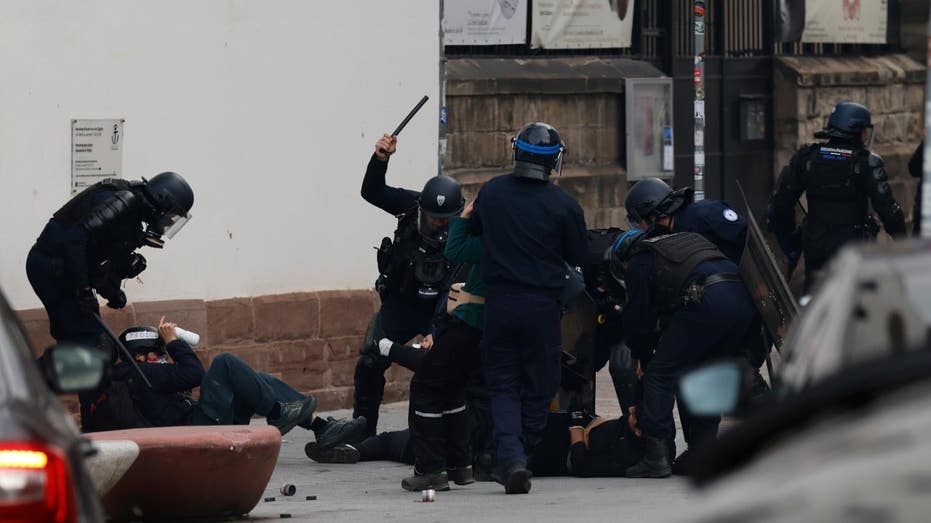
Young Protesters Clash With Police on Rome Streets as Thousands Also March in Milan
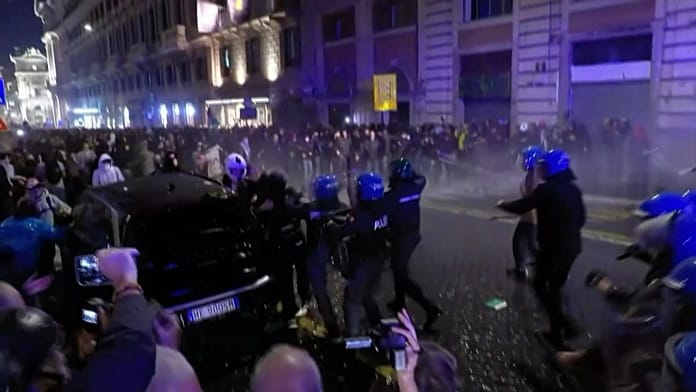
Young protesters have clashed with police in the Italian capital, Rome. On Saturday (24 October), young people took to the streets of Rome as part of demonstrations continuing across Italy over the cost of living, wages and public services, and tensions there boiled over into clashes.
The protesters' demands revolve around three issues — bringing down the rising cost of living, raising wages, and answers over dissatisfaction with public services. Demonstrations over these demands have been running in various Italian cities for days, and the Rome programme was part of that same sequence.
As tensions rose in the capital, security forces were deployed in large numbers. It was amid that heavy police presence on the streets that the clashes with protesters took place, heating up the day's programme.
The demonstrations are being seen as part of a wider youth-led wave of protest. The younger generation is at the front of this movement demanding better living conditions and higher wages, and that anger is now playing out on the streets of the capital.
It was not only Rome: another major city, Milan, also saw a large gathering on the same day. Around 3,000 people took to the streets there, and their march brought traffic in the city centre to a standstill.
The picture in Milan shows the discontent is not confined to the capital. Questions over the cost of living and wages have now spread from one end of the country to the other, with echoes heard in every major city.
According to the protesters, the pressure of everyday costs has made ordinary people's lives harder, while wages have not risen in proportion. Their complaints about public services are also long-standing — and that accumulated discontent has now taken the form of a rolling programme of protests.
Even after the clashes in Rome, there is no sign of the movement stopping. With programmes spreading from city to city, pressure is growing on the authorities, and security forces are having to stay on alert.
The youth-led movement has also become a talking point in Italian politics. Wages, the cost of living and public services — these three questions are now at the centre of public life in the country, and protesters say they will not leave the streets until they get answers.
All eyes are now on which way this movement turns in the coming days. Whether the programmes spread further, and whether the authorities take any step over the protesters' demands, will decide whether the situation on Italy's streets calms down or tensions rise further.