Philadelphia Professor, 78, Arrested for Blocking a Delivery Robot — Though State Law Gives Pedestrians Priority
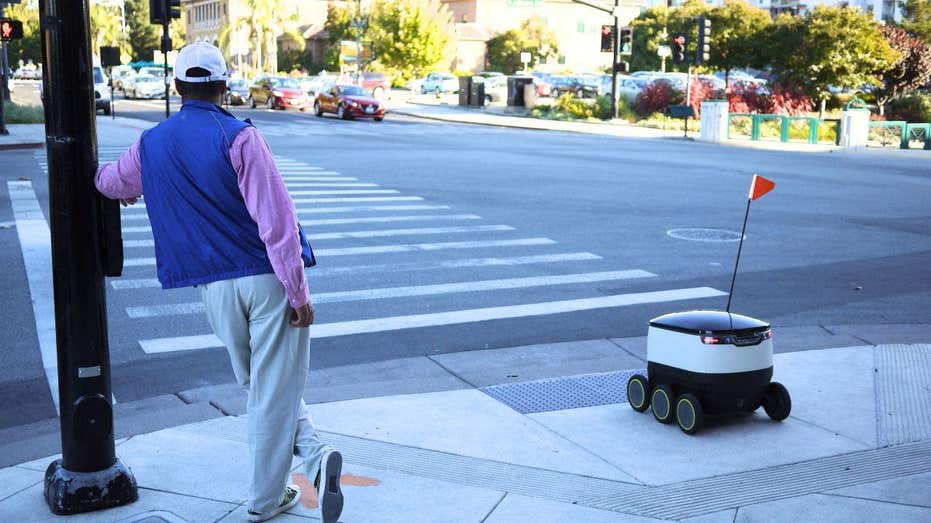
A 78-year-old retired professor in Philadelphia, in the United States, has been arrested after blocking the path of a food delivery robot in protest. Carolyn Marvin, a former professor at the University of Pennsylvania, was detained on October 14 in Center City Philadelphia, on Filbert Street near Reading Terminal Market.
Marvin was returning from a flu shot appointment that day when she spotted an Uber Eats delivery robot. While most pedestrians simply walk around such robots, she did not. She stepped directly in front of the machine and refused to let it continue.
Police arrived after witnesses reported a disturbance. According to officers, Marvin repeatedly refused instructions to move out of the robot's path. They eventually arrested her and issued her a citation for disorderly conduct.
The encounter was captured on video and quickly attracted attention online. Marvin, however, was not surprised by the attention. She had been deliberately blocking delivery robots for months, turning what might look like a strange sidewalk encounter into her own form of public protest.
In an interview with PhillyVoice, Marvin explained that she believes corporations are using autonomous machines to displace human delivery workers. She argued that her actions fall under her First Amendment right to protest. Marvin was taken to police headquarters and later released.
She said she plans to fight the citation in court and continue blocking delivery robots when she has the opportunity. She also encouraged others who oppose the machines to join her protests.
Her frustration goes beyond having robots share the sidewalk. She sees them as a direct threat to people who earn their living delivering food. Every order completed by a robot represents work that potentially could have gone to a human courier. That concern comes as more delivery companies experiment with automation to reduce operating costs.
Unlike a human courier, a robot does not collect tips or earn money for each delivery. Companies hope automation will eventually reduce operating costs, although the machines still require maintenance and monitoring.
However, whether Philadelphia's robot program has actually eliminated delivery jobs remains unclear. Uber has previously said its robots are intended to complement human delivery workers rather than replace them. Still, it is easy to understand why people who depend on delivery income might question how that arrangement will work as fleets expand.
Marvin also sees her protests as an opportunity to engage other pedestrians. She says people regularly stop to ask why she is blocking the machines. Those conversations are part of what motivates her to continue, even after her arrest.
You might assume that Marvin's arrest means delivery robots have the right of way on Philadelphia sidewalks. But Pennsylvania law offers a rather different answer. The state's vehicle code classifies personal delivery devices as pedestrians and generally requires them to follow pedestrian traffic rules. However, the robots must yield the right-of-way or safely navigate around pedestrians and cyclists in pedestrian areas. A delivery robot does not automatically have priority over someone walking down the sidewalk.
Of course, requiring robots to yield does not necessarily give people the legal right to deliberately obstruct deliveries. Police say Marvin refused repeated instructions to move after officers responded to a disturbance. Her disorderly conduct charge does not establish that robots have priority over pedestrians or settle whether her particular protest was legally protected.
Meanwhile, Pennsylvania law requires operators to notify municipalities at least 30 days before beginning delivery robot operations. Municipal officials can also prohibit the machines in areas where, after consulting the operator, they determine the robots would pose a hazard. That leaves an open question about how cities should handle future confrontations between pedestrians and commercial robots.
Despite the controversy, companies continue investing in autonomous delivery because the technology offers some practical advantages. Uber Eats partnered with the robotics company Avride to operate small, four-wheeled delivery machines that transport food over relatively short distances. The robots use cameras and sensors to navigate city streets. According to Avride, they travel at speeds of up to 5 mph. Whatever the outcome of Marvin's case, the episode shows that the debate over how people and machines share the sidewalk is far from over.