Veterans Ask Federal Judge to Block Trump's Arch Without Congress's Approval as Construction Date Emerges
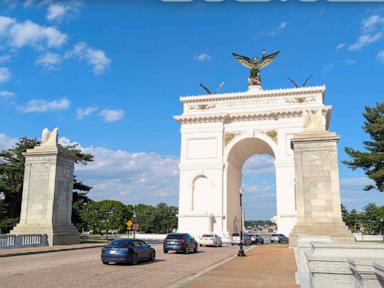
Construction of the proposed triumphal arch near Arlington National Cemetery could begin on November 5, the US Justice Department indicated on Wednesday — prompting opponents of the project to urge a federal judge to block the work unless lawmakers authorize it.
The request for a preliminary injunction came a day after the Justice Department filed notice with the court indicating that construction could begin on November 5, immediately after the National Capital Planning Commission is set to grant its final approval of the project.
Judge Tanya Chutkan had previously ordered that the government must give at least 14 days' notice before starting work on the arch, and Wednesday's notice would keep to that timeframe. From Thursday, the possible start of work was only two weeks away.
The Vietnam-era veterans who have sued over the arch asked Chutkan to step in so the administration cannot render the arch a fait accompli before the court has made a final determination on whether the project is unlawful.
The veterans' filing accuses the administration of having barrelled ahead — doing site testing, drawing architectural plans, and seeking approvals from commissions populated by friends of the administration.
All the while, the filing says, the administration has failed to obtain, or even to seek, approval from the one body that by law must authorize the project: Congress. That is the central legal question in the case.
The administration argues differently. It says the bill signed by President Calvin Coolidge in 1925 providing for the construction of Memorial Bridge also authorizes the arch, because the initial plan called for columns at the end of the bridge.
Opponents describe that argument as entirely untethered from the text of the 1925 law, arguing that authorization for a vast modern arch cannot be found inside a century-old bridge statute.
President Donald Trump's proposal would place the 250-foot arch in a traffic circle across the Potomac River from the Lincoln Memorial, at the foot of the national cemetery — a location whose symbolic weight has intensified the dispute.
The project also faces legal challenges from preservationists alongside the veterans' case, so the fight over the arch is proceeding on more than one front.
The administration acknowledged in September that the arch would cause adverse effects on the setting and views along the river, but argued those impacts cannot be fully avoided because the arch's location is central to the undertaking.
The immediate question is whether the court issues an injunction before the possible November 5 start. If it does, the project stays frozen until the congressional-approval question is decided; if not, the administration could begin work right after the planning commission's final approval.