

Brook’s 114-Ball Double Century Headlines a Night of Records in Rawalpindi
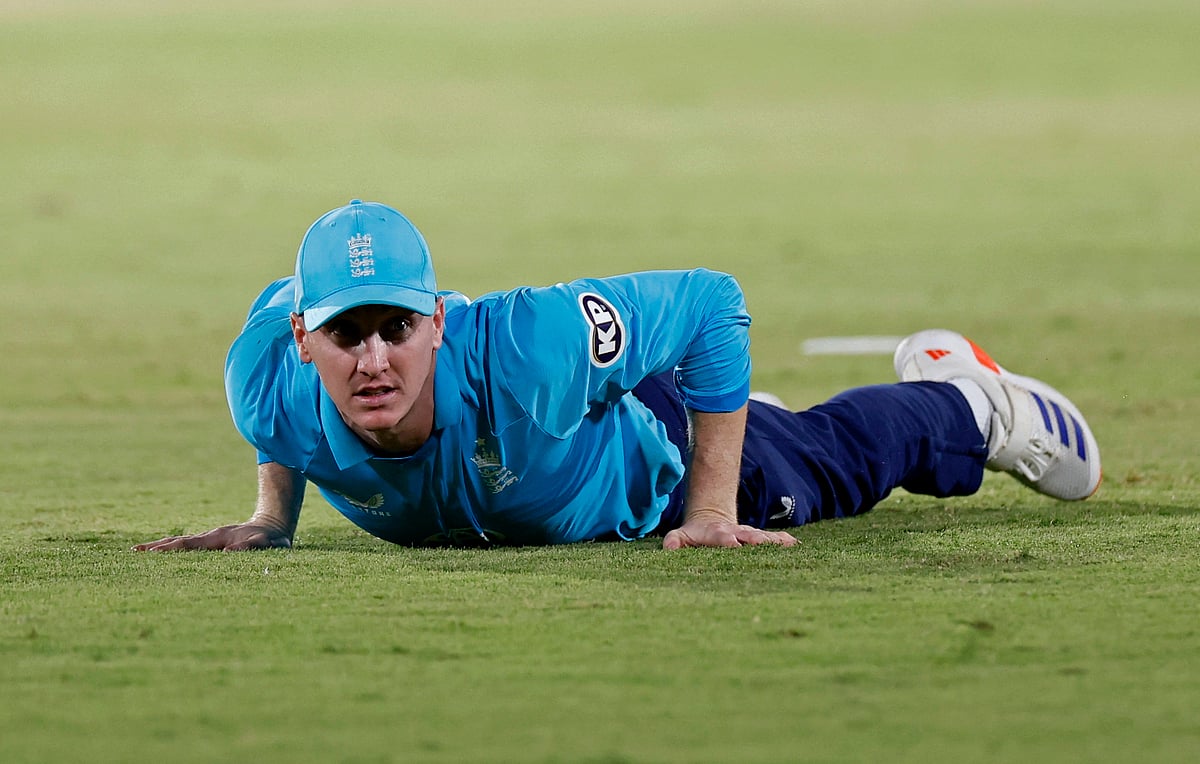
The England-Sri Lanka one-day international in Rawalpindi ended buried under a pile of records. Harry Brook’s bat produced record after record for England, but by the end of the day Sri Lanka had stolen all the light, chasing down a huge target for an incredible victory.
Chasing England’s target, Sri Lanka recorded the second-highest successful run chase in ODI history. The only bigger chase belongs to South Africa, who overhauled a target of 435 against Australia in 2006.
England’s team total against Sri Lanka was the first ODI total above 400 on Pakistani soil. The previous highest there was Pakistan’s 375 for three against Zimbabwe in 2015.
The match’s biggest individual feat belonged to Harry Brook, who became the first England batter to score an ODI double century. England’s previous highest innings was Ben Stokes’ 182 against New Zealand in 2023.
Brook reached his double century in just 114 balls, the fastest double century in ODI history. The record had been set only last month by India’s Shubman Gill, who took 117 balls against the West Indies.
Yet because Brook’s team lost, his name entered another list as well — he set the record for a double century for a losing side in ODIs. The previous highest innings for a losing team was Charles Coventry’s unbeaten 194 against Bangladesh in 2009.
The previous highest individual ODI innings on Pakistani soil belonged to Gary Kirsten, who scored an unbeaten 188 for South Africa against the United Arab Emirates at the 1996 World Cup. This time Kirsten was present in Rawalpindi as Sri Lanka’s coach, watching his own record being broken.
Among batters who are not openers, Brook now holds the highest ODI innings. The previous mark at number six was Glenn Maxwell’s unbeaten 201 against Afghanistan at the 2023 World Cup, while the best at number four was Viv Richards’ unbeaten 189 against England in 1984.
Brook also joined the list of captains to score an ODI double century. Before him, the feat belonged to India’s Virender Sehwag, Rohit Sharma and Shubman Gill. England’s previous highest innings by a captain was Andrew Strauss’ 158 against India at the 2011 World Cup.
The combined runs of the two teams also entered the history books — the second-highest match aggregate in ODI history. The highest, 872 runs, came in the South Africa-Australia match in 2006. Sri Lanka’s win also ranks second among successful chases in List A cricket, and four of the last five successful chases of 400 or more have happened since December 2025.
Sri Lanka’s path to victory was dramatic. After 25 overs they were 169 for two and still needed 261 runs. No team had ever won an ODI needing that many runs in the last 25 overs. The previous record was Ireland’s, who needed 215 in the last 25 overs against England at the 2011 World Cup.
There was a bowling record too, though an unwanted one. England pacer Sam Curran conceded the most runs by an England bowler in a men’s ODI in this match. The previous record was also Curran’s own — 98 runs against the West Indies in 2023.
Eight batters from the two teams scored at least a fifty in the match, jointly the most in an ODI; it had happened three times before, each time in the subcontinent. The two teams hit 93 fours between them, the most in an ODI match, breaking the record of 87 from the Australia-South Africa match in Johannesburg in 2006. England’s batters hit 48 fours and Sri Lanka’s 45. Altogether, the Rawalpindi match will be talked about in the ODI record books for a long time.



