Can Psilocybin Also Fight Inflammation? New Human Data Offers a Hopeful Signal
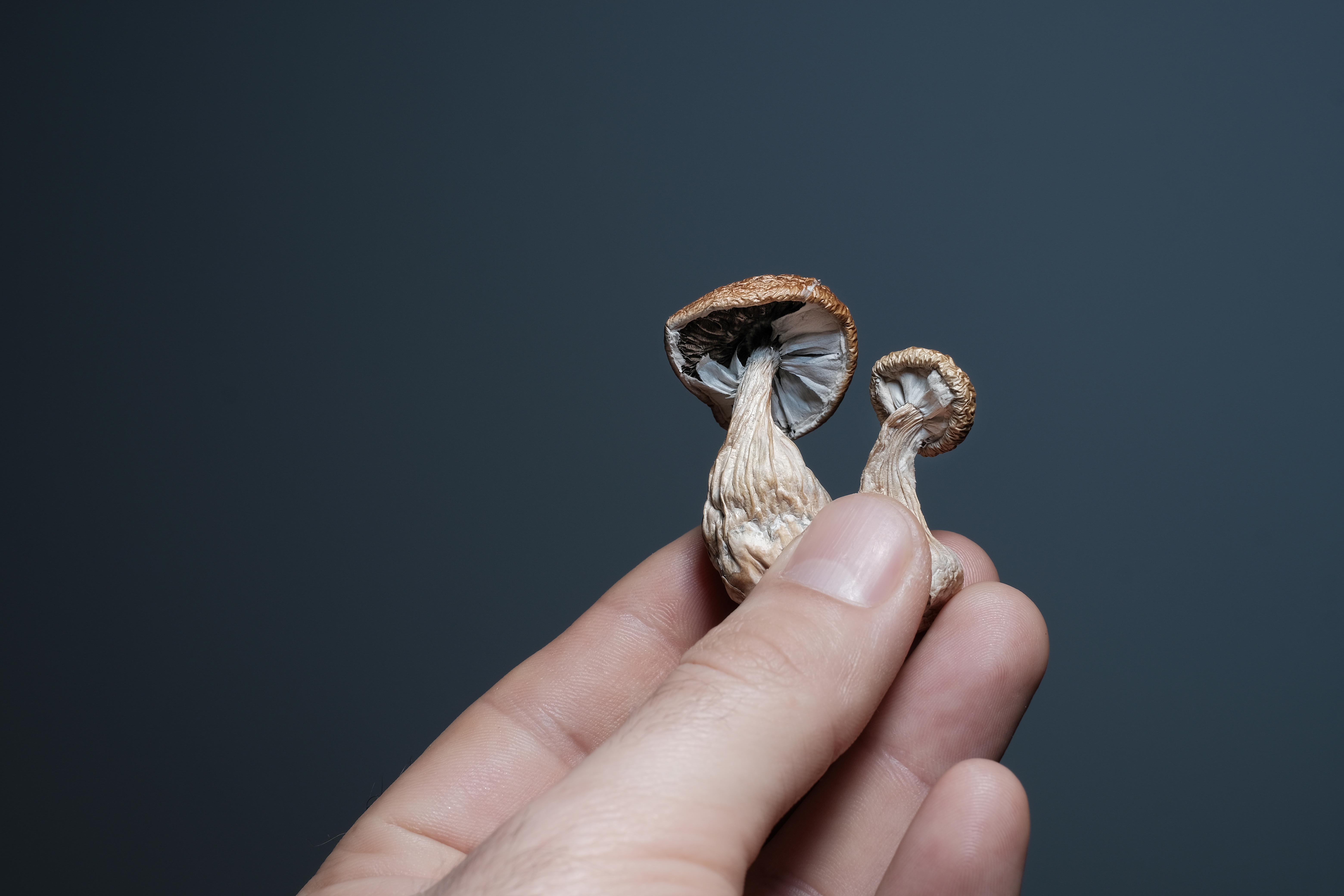
Research on classic psychedelics such as psilocybin and LSD has long centred on the brain — the profound changes in consciousness they produce and their lasting effects on mental health. But researchers are now finding that these compounds may also change things elsewhere in the body, particularly in the fight against inflammation and immune-system dysregulation.
New research published on Wednesday in the medical journal JAMA Psychiatry offers some of the first evidence in humans that psychedelics may hold potential for diseases characterised by inflammation and immune dysregulation throughout the body.
The study was conducted by a team at the University of California, San Francisco (UCSF). It drew on a small pool of 12 patients with Parkinson's disease, from a pilot study designed to test whether giving psilocybin to people with neurodegenerative disease is feasible and safe. Such patients are typically excluded from psychedelic trials over safety concerns.
The researchers used blood tests to measure five different signalling molecules involved in inflammation in the participants, both before and after two sessions with psilocybin.
Participants had significantly lower levels of inflammation following the treatments compared with baseline, and those changes persisted a month after their final dose of psilocybin.
The researchers also tracked a blood marker of mitochondrial stress — stress in the energy-producing factories of the cells. Here, too, there were substantial improvements immediately after participants were given psilocybin, although not during the longer-term follow-up.
"This gives us an initial biological signal to investigate," said Dr. Ellen Bradley, an associate professor of psychiatry at UCSF who helped lead the analysis. The original study's findings, published last year, had found a really promising safety profile, and symptoms even seemed to get a bit better, she said.
The researchers themselves emphasise the study's limitations: there was no control group, and the participants knew they were receiving the drug. The blood data therefore still needs to be confirmed in follow-up studies before definitive claims can be made, said Aoife O'Donovan, a professor of psychiatry and behavioural sciences at UCSF and a co-author of the paper.
Still, O'Donovan said the findings reflect objective markers that changed over time, and that gives the team confidence to pursue this line of research.
Parkinson's disease is characterised by dysregulated inflammation and mitochondrial dysfunction. Bradley suggested that the improvements in inflammation and cellular stress could be why the participants appeared to benefit during the trial.
The results also raise the proposition that psychedelics may help address inflammation and immune problems seen in many diseases, said D. Parker Kelley, a research scientist at Columbia University and a first author on the paper. "It's a potential jumping-off point for a lot more research in this area, that may apply not only to Parkinson's, but also neuropsychiatric disorders like depression and anxiety, and even cardio-metabolic and inflammatory disorders," he said.
Experts outside the study are also taking notice. Charles Nichols, a professor at LSU Health Sciences Center in New Orleans, whose lab discovered some fifteen years ago that certain psychedelics could have powerful anti-inflammatory effects, said the findings were really exciting. His group has since run numerous experiments in animal models of asthma, arthritis and cardiovascular disease.
Nichols noted that previous biomarker studies after psilocybin generally involved healthy volunteers — not people with real disease — which makes this study different.
Overall, the researchers' message is cautious but hopeful: a small study of 12 people is not definitive proof. But the findings open the door to larger, controlled research into whether psychedelics could help treat inflammatory disease.