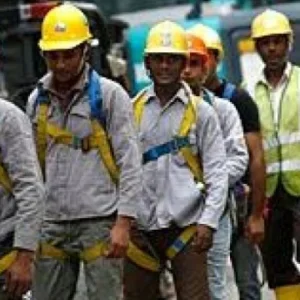
1,687 Women Workers Return on Outpasses in Nine Months, Most from Saudi Arabia
In the first nine months of this year, 1,687 women workers have returned to Bangladesh from abroad on outpasses. Of those who came back under this special arrangement after being unable, or finding it impossible, to stay in their country of work, the largest group returned from Saudi Arabia. As many as 979 women came back from that country alone, meaning more than half of all the returning women workers arrived from a single destination.
The month-by-month figures also show clear fluctuations in this pattern of returns. In January, 128 women returned, followed by 97 in February, while in March the number fell to 30. It rose again to 236 in April, with 167 returning in May and 169 in June. The numbers climbed further from the middle of the year, with 331 women workers returning on outpasses in July and 309 in August. In September, 220 women returned.
After Saudi Arabia, Jordan stands second on the list of countries from which women returned, with 227 women workers coming back from there. A further 78 returned from the United Arab Emirates, 52 from India and 48 from Malaysia. In other words, the largest share of the returning women came from countries in the Middle East, bringing back into focus long-standing questions about the working environment for women who travel to those countries for domestic work and other jobs.
Some of the returning women have described their suffering in their own words. Shila Begum of Savar is one of them; after returning, she spoke of the abuse she endured while working abroad. Jahanara Begum of Dohar likewise gave an account of abuse in her country of work. Their descriptions show that for many women workers, obtaining help at the workplace and staying safe become extremely difficult.
Another alarming incident has come to light against this backdrop. Two Bangladeshis were executed in Makkah, amid allegations that no prior notification was given about the executions. The two people executed were Nazrul Islam Abdul Basir and Siti Akter. The Bangladesh Consulate in Jeddah has sent a letter over the incident, indicating that the matter is also being treated seriously at the diplomatic level.
On Sunday (18 October), Foreign Secretary Nazrul Islam met at the Padma with Saudi Ambassador Abdullah bin Jafar H bin Abiyah to discuss the matter. This initiative for talks on the return of women workers, their safety and sensitive issues such as the executions is being seen as significant. A lasting solution is being sought through diplomatic dialogue.
According to the Bureau of Manpower, Employment and Training, known as BMET, 1,132,360 workers went abroad from Bangladesh in 2025. Of them, 755,194 went to Saudi Arabia alone. Saudi Arabia is therefore the largest destination for Bangladesh's labour market, and whenever problems arise there, Bangladeshi workers are affected on the largest scale.
That pattern has continued this year as well. So far this year, 588,718 workers have gone abroad, of whom 315,143 have gone to Saudi Arabia. With such a huge number of workers going to a single country, the question keeps returning of how strong the arrangements there are for workers' protection, legal assistance and repatriation in an emergency.
A 2025 study by OKAP on the working environment of women workers presented an alarming picture. According to the study, 94 percent of the women workers surveyed had suffered physical or mental abuse. A total of 47 percent of the women reported experiencing sexual harassment. The study also found that 82 percent of the women had to work from dawn until midnight.
Against this situation, arrangements for legal assistance for Bangladeshis working abroad have been expanded. Legal assistance is currently provided to Bangladeshi workers in 13 countries. In Saudi Arabia, there is a safe home for women workers in distress, where they can stay in safety. Before returning on an outpass, such shelter and support become the last resort for many.
Migration expert Asif Munir has given his views on the issue. Safe migration for women workers, protection at the workplace and rapid assistance when they get into trouble featured prominently in his discussion. According to experts, unless the protection framework is strengthened alongside the rising number of workers sent abroad, it will be difficult to reduce incidents of returns and abuse.
Bangladesh began sending women workers abroad in 1991. After a long journey since then, an agreement was signed with Saudi Arabia on this matter in 2015, after which the number of women workers going to that country increased significantly. In that continuity, Saudi Arabia is today one of the main destinations for women workers, while the country's name also tops the list of returns.
What remains to be seen is how much change the diplomatic initiatives, including the Padma meeting, actually bring to the protection of women workers. Although legal assistance in 13 countries and a safe home in Saudi Arabia exist, the figure of 1,687 women returning on outpasses in nine months shows this trend cannot be stopped unless protection on the ground is strengthened.